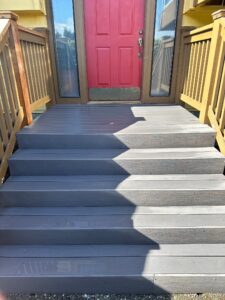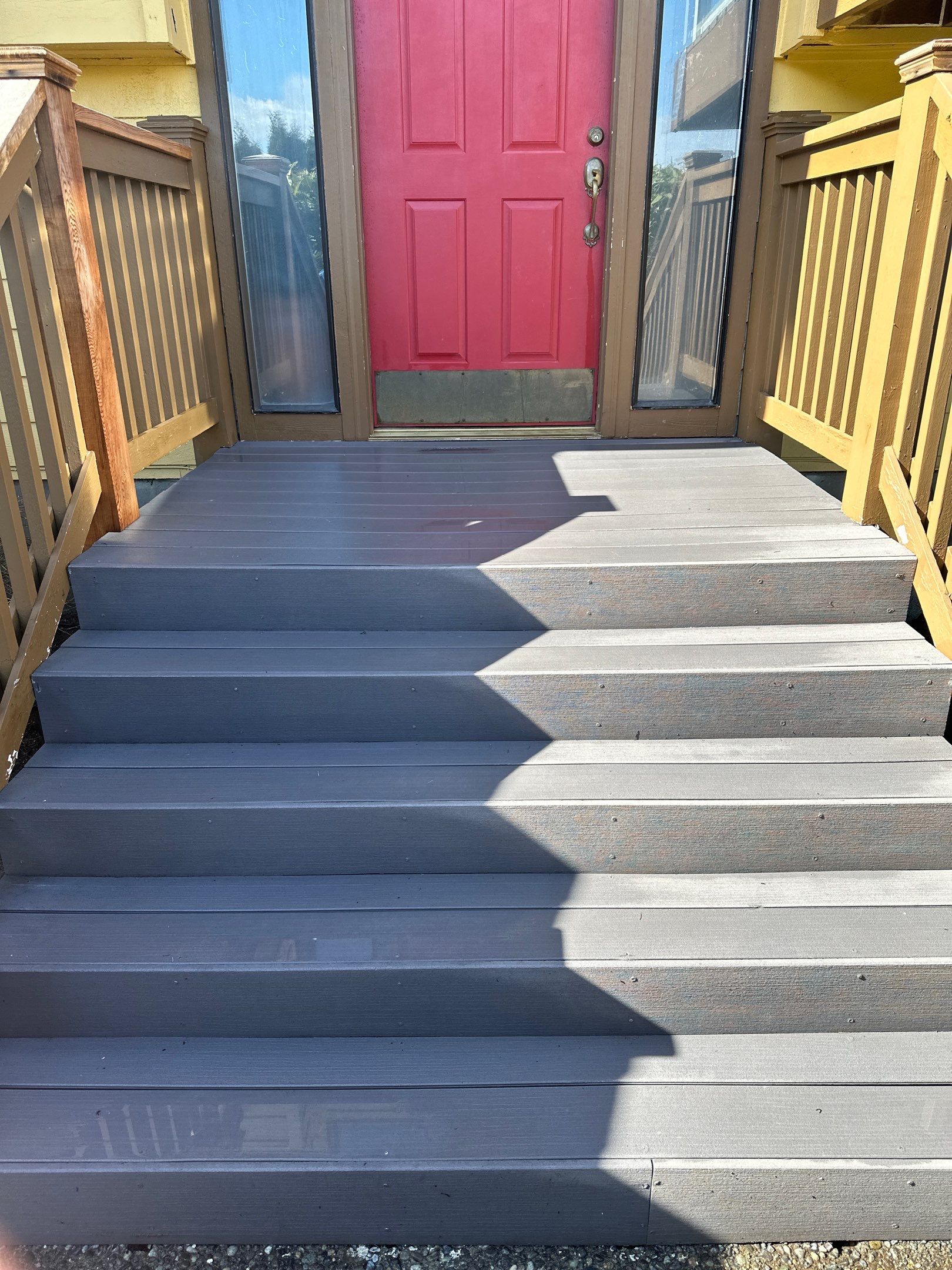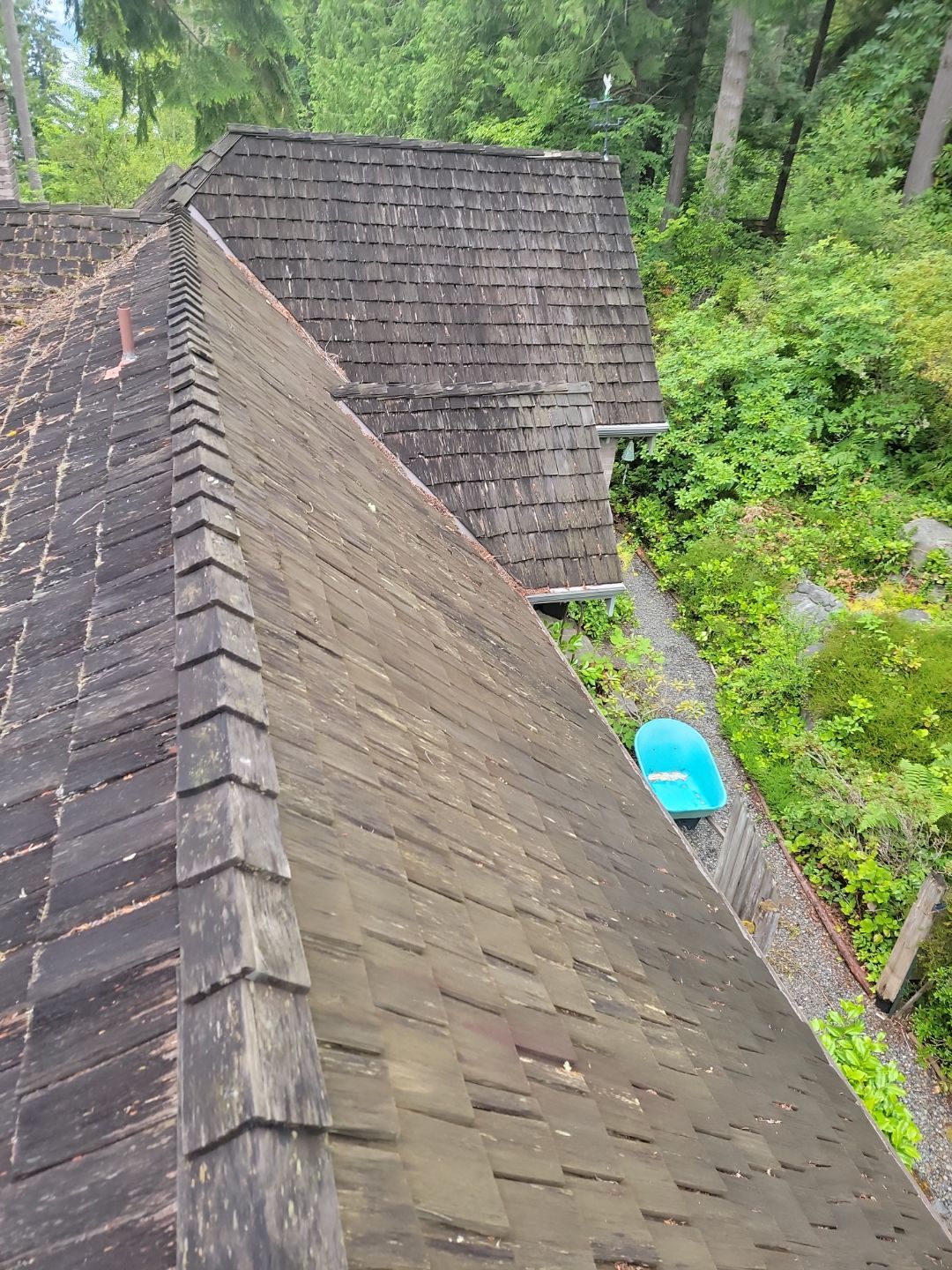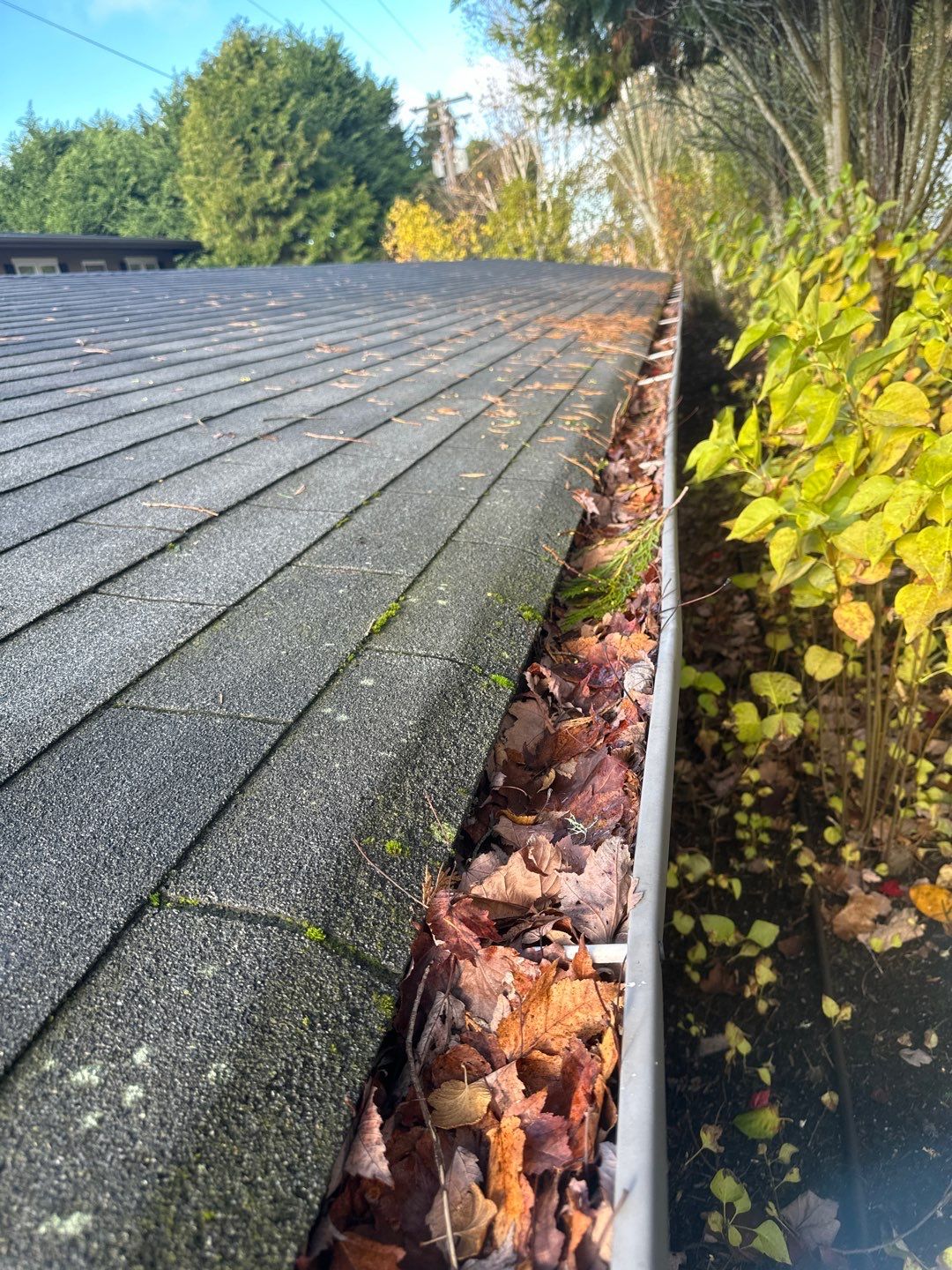
Pressure washing vs soft washing is one of the most common questions homeowners ask when scheduling exterior cleaning. While both methods are effective, they are not interchangeable. Choosing the wrong approach can lead to surface damage, incomplete cleaning, or unnecessary wear on your home’s exterior.
Homes throughout Poulsbo, Kingston, Indianola, Silverdale, and Bremerton feature a mix of siding materials, roofing types, and concrete surfaces. Each surface requires a specific cleaning method to achieve the best results safely.
Understanding the difference between pressure washing and soft washing helps homeowners make informed decisions and protects exterior surfaces long-term.
What Is Pressure Washing?
Pressure washing uses high-pressure water to remove dirt, grime, and stains from durable surfaces. It is most effective on hard materials that can withstand force without damage.
Common pressure washing applications include:
- Driveways and sidewalks
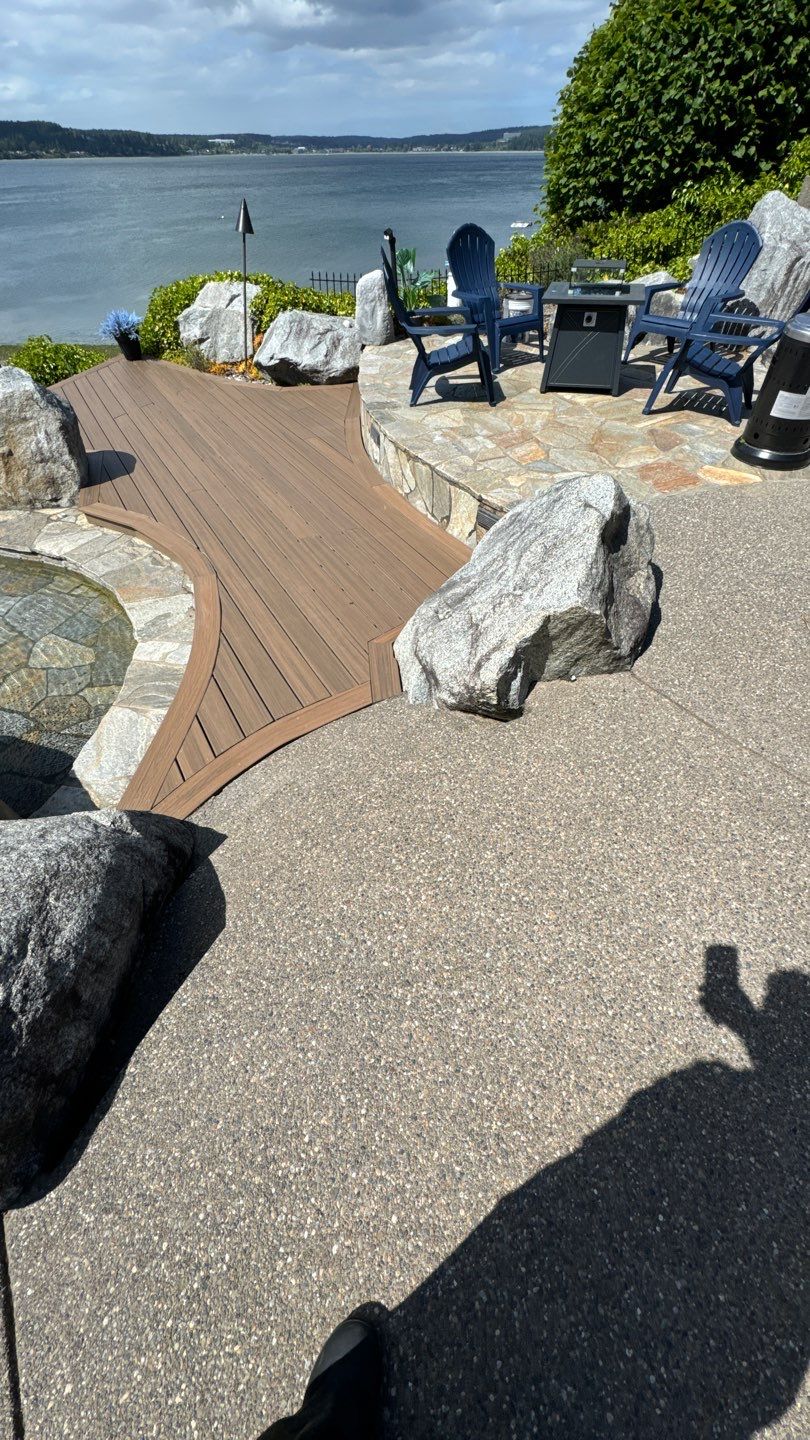
- Patios and pool decks
- Concrete pads and retaining walls
- Certain masonry surfaces
When used correctly, pressure washing quickly restores heavily soiled concrete and removes deep stains caused by oil, algae, and dirt.
What Is Soft Washing?
Soft washing uses low-pressure water combined with specialized cleaning solutions designed to break down organic growth. Instead of force, soft washing relies on chemistry to kill algae, mildew, and bacteria at the root.
Soft washing is ideal for:
- Vinyl and composite siding
- Painted surfaces
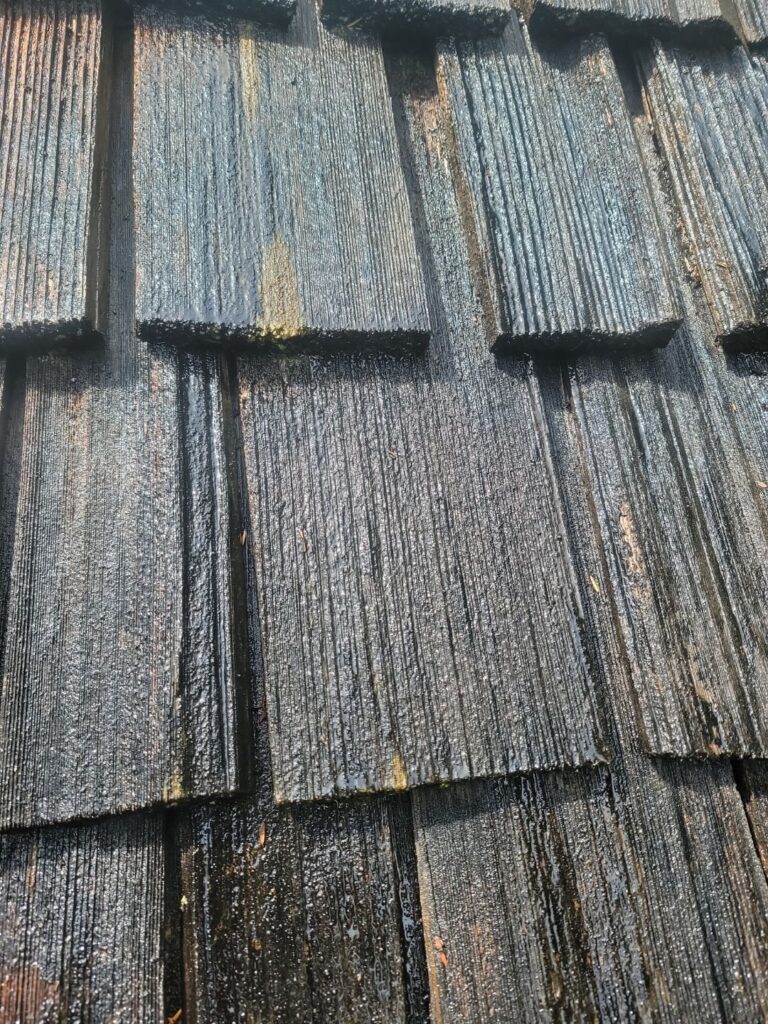
- Roof shingles
- Fences and delicate materials
This method cleans thoroughly without the risk of forcing water behind siding or stripping paint.
Key Differences Between Pressure Washing and Soft Washing
While both methods clean exterior surfaces, their applications differ significantly.
Pressure Level
Pressure washing relies on force. Soft washing uses minimal pressure.
Cleaning Approach
Pressure washing removes buildup through impact. Soft washing breaks down growth chemically.
Surface Safety
Soft washing is safer for delicate surfaces. Pressure washing is best reserved for hard, durable materials.
Professional exterior cleaners determine which method to use based on surface type, condition, and level of buildup.
Why Using the Wrong Method Can Cause Damage
Using pressure washing on siding or roofing can cause serious problems. High pressure may:
- Crack or loosen siding
- Strip paint or protective coatings
- Force water behind exterior surfaces
- Damage shingles and roof granules
Soft washing avoids these risks by treating growth safely while still delivering deep, long-lasting results.
Homes in Hansville, Seabeck, Belfair, and Allyn often experience heavy algae buildup due to shade and moisture, making soft washing the preferred method for most exterior surfaces.
Which Method Is Best for Your Home?
Most homes require a combination of both methods.
Pressure Washing Is Best For:
- Driveways and walkways
- Concrete patios
- Heavy surface staining
Soft Washing Is Best For:
- House siding
- Roofs
- Painted or sealed surfaces
A professional exterior cleaning service evaluates your home and applies the correct method to each area.
Professional Expertise Makes the Difference
The effectiveness of pressure washing vs soft washing depends on proper technique. Professional cleaners understand how to:
- Adjust pressure safely
- Apply correct cleaning solutions
- Prevent damage to landscaping and surfaces
- Deliver even, consistent results
DIY cleaning often leads to uneven outcomes or accidental damage, especially when the wrong method is used.
Choosing the Right Cleaning Approach
Selecting the correct cleaning method protects your home and improves long-term results. Pressure washing and soft washing each play an important role in exterior maintenance, but only when used appropriately.
Cornerstone Cleaning provides professional exterior cleaning services tailored to each surface, ensuring safe, effective results across your entire property.
FAQs
Is pressure washing better than soft washing?
Neither is better overall. Each method is best for specific surfaces.
Can soft washing remove heavy stains?
Yes, especially organic stains like algae and mildew.
Do most homes need both methods?
Yes. A combination delivers the best results.