Your home’s siding is under constant attack. Algae, moss, mildew, and dirt create those ugly green and black streaks that make your house look decades older than it actually is. When you decide it’s time to do something about it, the first question becomes: should you use soft washing services or traditional pressure washing?
The answer matters more than you might think. Choose wrong, and you could damage your siding, void warranties, or waste money on a cleaning that barely lasts a few months. Choose right, and you get a safe, thorough clean that protects your investment and keeps your home looking sharp for years.
Let’s break down exactly what separates these two methods, when each makes sense, and why vinyl siding cleaning and algae removal from siding require a gentler approach than most people realize.
What Is Soft Washing and How Does It Work
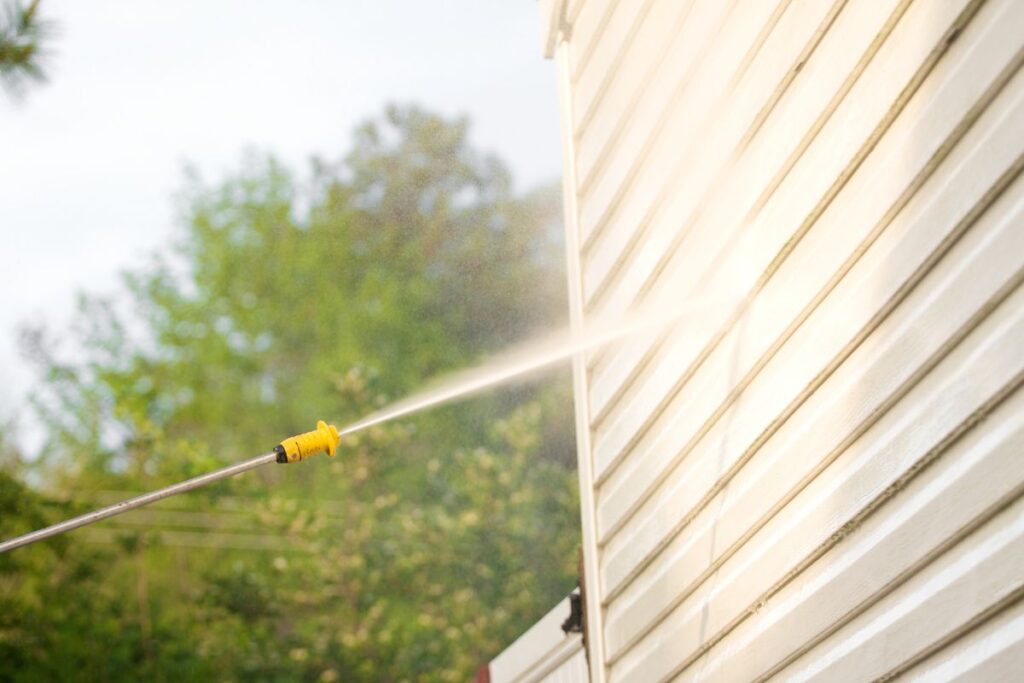
Soft washing services use low-pressure water combined with specialized cleaning solutions to remove organic growth from your home’s exterior. Instead of relying on brute force, the chemicals do the heavy lifting.
Here’s how the process typically works. A professional applies a biodegradable cleaning solution to your siding at a pressure roughly equivalent to a garden hose. The solution contains surfactants and algaecides that break down mold, mildew, algae, and other organic stains at the root level.
The solution sits on the surface for 10 to 15 minutes, giving it time to penetrate and kill the organisms causing the discoloration. Then the surface gets rinsed with low-pressure water. The grime washes away easily because the cleaning solution has already done the work.
This method is particularly effective for algae removal from siding because it kills the spores, not just the visible growth. When you pressure wash, you blast away the surface layer but leave behind the roots. That’s why algae comes back so quickly after traditional washing.
For more on why this approach protects your home and the environment, check out our guide on eco-friendly exterior cleaning.
Understanding Traditional Pressure Washing
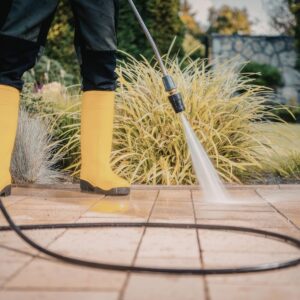
Pressure washing uses high-pressure water to blast away dirt, grime, and stains. Most residential pressure washers operate between 1,500 and 3,000 PSI, which is powerful enough to strip paint, gouge wood, and crack vinyl if used incorrectly.
This method works great for hard surfaces like concrete, pavers, and stone. When you need to clean a driveway or sidewalk, pressure washing is often the right choice. The high pressure removes embedded dirt, oil stains, and tire marks that softer methods cannot touch.
But when it comes to vinyl siding cleaning or other delicate exterior surfaces, pressure washing creates serious risks. Water forced at high pressure can slip behind siding panels, causing moisture damage and mold growth inside your walls. It can also crack caulking around windows and doors, leading to expensive repairs.
Even worse, pressure washing does not kill organic growth. It removes what you can see, but the roots remain. Within weeks or months, the algae and mildew start growing back, often faster than before because the surface has been roughened by the high-pressure spray.
If you’re dealing with concrete surfaces, our article on driveway cleaning explains when pressure washing makes sense and how to do it safely.
Why Vinyl Siding Cleaning Requires a Gentle Touch
Vinyl siding is designed to shed water, not withstand it at 2,000 PSI. The panels interlock in a way that creates small gaps where water can penetrate. Under normal rain conditions, this is not a problem. But when you force water behind the siding with high pressure, you are asking for trouble.
Most vinyl siding manufacturers explicitly warn against pressure washing above 1,500 PSI. Some recommend staying below 1,000 PSI. Exceed those limits, and you can void your warranty. Even at lower pressures, the wrong angle can still force water into places it should not go.
Vinyl siding cleaning with soft washing eliminates these risks. The low pressure keeps water on the surface where it belongs. The cleaning solution handles the actual cleaning, so there is no need to blast the siding with dangerous force.
Soft washing also preserves the finish on your siding. Vinyl has a protective layer that helps it resist fading and weathering. High-pressure washing can wear away this layer, making your siding more vulnerable to sun damage and color loss over time.
For a deeper look at professional cleaning methods, see our post on house washing services.
The Science Behind Algae Removal From Siding
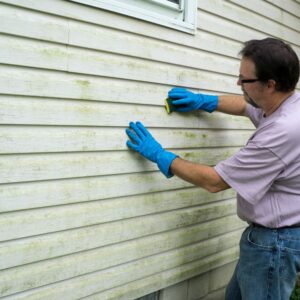
That black or green discoloration on your siding is not just dirt. It’s alive. Algae, specifically a type called Gloeocapsa magma, thrives in humid climates like the Pacific Northwest. It feeds on moisture, organic debris, and even the limestone filler in some siding materials.
When you pressure wash, you remove the visible algae but leave behind microscopic spores. These spores recolonize quickly, often within a single season. That’s why homes that get pressure washed every year still look dirty a few months later.
Algae removal from siding requires killing the organism, not just scrubbing it away. Soft washing services use algaecides that eliminate the spores along with the visible growth. The treatment also leaves behind a protective residue that inhibits regrowth for months or even years.
This is why soft washing lasts so much longer. You are not just cleaning the surface. You are treating the underlying problem. For homeowners tired of watching their siding turn green every spring, this makes all the difference.
Similar principles apply to roof cleaning. Our guide on soft wash roof cleaning explains why killing organic growth is more effective than blasting it away.
Protect your siding with professional soft washing. Schedule your free estimate with Cornerstone Cleaning and see the difference the right method makes.
Common Mistakes Homeowners Make With DIY Cleaning
Renting a pressure washer seems like a budget-friendly way to tackle exterior cleaning. But most homeowners make costly mistakes that end up requiring professional repairs.
Using too much pressure: Rental units often deliver 2,500 to 3,000 PSI. That is way too much for vinyl siding, wood, stucco, or painted surfaces. Even a few seconds at the wrong angle can cause permanent damage.
Getting too close: The distance between the nozzle and the surface matters enormously. Get within a foot or two, and even moderate pressure can gouge siding or strip paint. Most DIYers underestimate how far back they need to stand.
Spraying at the wrong angle: Water should always hit siding at a downward angle, never upward. Spraying upward forces water behind the panels, where it can cause rot, mold, and insulation damage.
Skipping the cleaning solution: Water alone does not kill mold or algae. Without a proper cleaning agent, you are just rinsing away surface dirt while leaving the real problem intact.
Ignoring safety risks: Ladders, wet surfaces, and high-pressure equipment create a dangerous combination. Every year, people end up in emergency rooms from falls or kickback injuries.
Professional soft washing services eliminate these risks. Trained technicians know exactly how much pressure to use, which cleaning solutions work best for different surfaces, and how to work safely at height.
When Pressure Washing Actually Makes Sense
To be fair, pressure washing is not always the wrong choice. Some surfaces handle high pressure just fine and actually benefit from the extra cleaning power.
Concrete and pavers: Driveways, sidewalks, and patios can handle high pressure. These surfaces often have oil stains, tire marks, and embedded dirt that soft washing cannot remove.
Stone and brick: Solid masonry surfaces respond well to pressure washing. Just avoid mortar joints, which can erode under high pressure.
Metal surfaces: Steel fencing, metal roofs, and aluminum siding can usually handle moderate to high pressure, though you still need to be careful around joints and seams.
Deck preparation: If you are planning to stain or seal a wood deck, pressure washing can help remove old finish and prep the surface. But this still requires skill to avoid splintering the wood.
The key is matching the method to the surface. For more on protecting wood surfaces, read our guide on deck and fence washing.
How to Choose the Right Cleaning Method for Your Home
So how do you decide between soft washing services and pressure washing? Start by identifying your siding material and the type of stains you are dealing with.
For vinyl, wood, stucco, or painted surfaces: Soft washing is almost always the safer choice. These materials are vulnerable to water intrusion and damage from high pressure.
For organic stains like algae, mold, or mildew: Soft washing is more effective because it kills the organism. Pressure washing just removes the visible layer.
For dirt, mud, or inorganic stains: If the surface can handle it, pressure washing might work. But you still need to use the right pressure and technique.
For homes with warranties: Check your siding warranty before doing anything. Many manufacturers require soft washing and will void coverage if you pressure wash.
When in doubt, consult a professional. A reputable exterior cleaning company can assess your situation and recommend the safest, most effective approach.
The Long-Term Cost Comparison
At first glance, pressure washing looks cheaper. You can rent equipment for under a hundred dollars and do it yourself. But let’s look at the real costs over time.
Pressure washing typically needs to be repeated every year, sometimes more often in humid climates. That is because it does not kill the organisms causing the stains. You are essentially treating symptoms, not the disease.
Soft washing services cost more upfront but last significantly longer. A professional soft wash can keep your siding clean for 18 months to 3 years, depending on your environment. Over a five year period, you might need soft washing twice versus pressure washing four or five times.
Then there is the risk of damage. One mistake with a pressure washer can cost hundreds or thousands in siding repairs. Cracked panels, water damage behind walls, or voided warranties add up fast.
Factor in your time, equipment rental, and the physical effort involved, and professional soft washing often ends up being the more economical choice. You get better results, longer-lasting protection, and zero risk of costly damage.
What Professional Soft Washing Services Include
If you have never hired professional soft washing services, here is what you can expect from a reputable company.
The process starts with an inspection. Technicians will assess your siding condition, identify problem areas, and check for any existing damage that could complicate cleaning.
Next comes surface preparation. This includes protecting landscaping, covering electrical outlets, and pre-rinsing to remove loose debris. Proper prep work makes the cleaning more effective and protects your property.
The cleaning solution gets applied at low pressure, typically starting from the bottom and working up. This prevents streaking and ensures even coverage. The solution sits for 10 to 15 minutes while it breaks down organic growth.
Finally, the surface gets rinsed from top to bottom. Technicians check for missed spots, clean up any debris, and do a final walkthrough with you to ensure everything meets expectations.
Professional teams also handle related services like gutter cleaning and window cleaning, often at a discount when bundled with house washing.
Environmental Considerations for Both Methods
Both soft washing and pressure washing have environmental impacts, but they differ significantly in how they affect water usage and chemical runoff.
Pressure washing uses massive amounts of water. A typical job can consume 300 to 500 gallons, and because it relies on force rather than chemistry, you need that volume to get results.
Soft washing services use far less water because the cleaning solution does most of the work. A comparable job might use 100 to 150 gallons. In drought-prone areas or for homeowners concerned about water conservation, this makes a big difference.
The cleaning solutions used in soft washing are typically biodegradable and safe for landscaping when properly diluted. Professional companies pre-rinse plants and take steps to minimize chemical contact with sensitive areas.
That said, not all soft washing solutions are created equal. Some contain harsh bleach or chemicals that can harm plants and groundwater. Reputable companies use eco-friendly formulations that break down quickly and pose minimal environmental risk.
For homeowners who prioritize sustainability, our post on eco-friendly exterior cleaning covers best practices and what to look for in a green cleaning service.
Ready for a safer, longer-lasting clean? Call Cornerstone Cleaning at 360-633-3789 to schedule professional soft washing for your Silverdale or Kitsap County home.
Making the Right Choice for Your Home
The debate between soft washing services and pressure washing is not really a debate at all when it comes to most residential exteriors. Soft washing is safer, more effective, and longer-lasting for vinyl siding cleaning and algae removal from siding.
Pressure washing has its place, but that place is usually on hard surfaces like concrete and stone, not on the delicate materials that cover most homes. Using the wrong method can lead to expensive damage, voided warranties, and cleaning results that disappear within months.
At Cornerstone Cleaning, we have been providing professional pressure washing and soft washing services to Kitsap County since 2017. We know which method works best for every surface, and we have the equipment and training to deliver exceptional results without risking your home.
Whether you need vinyl siding cleaning, algae removal from siding, or a complete exterior refresh, we use the right approach for your specific situation. Contact us today for a free estimate and see why Kitsap County homeowners trust Cornerstone Cleaning for all their exterior cleaning needs.