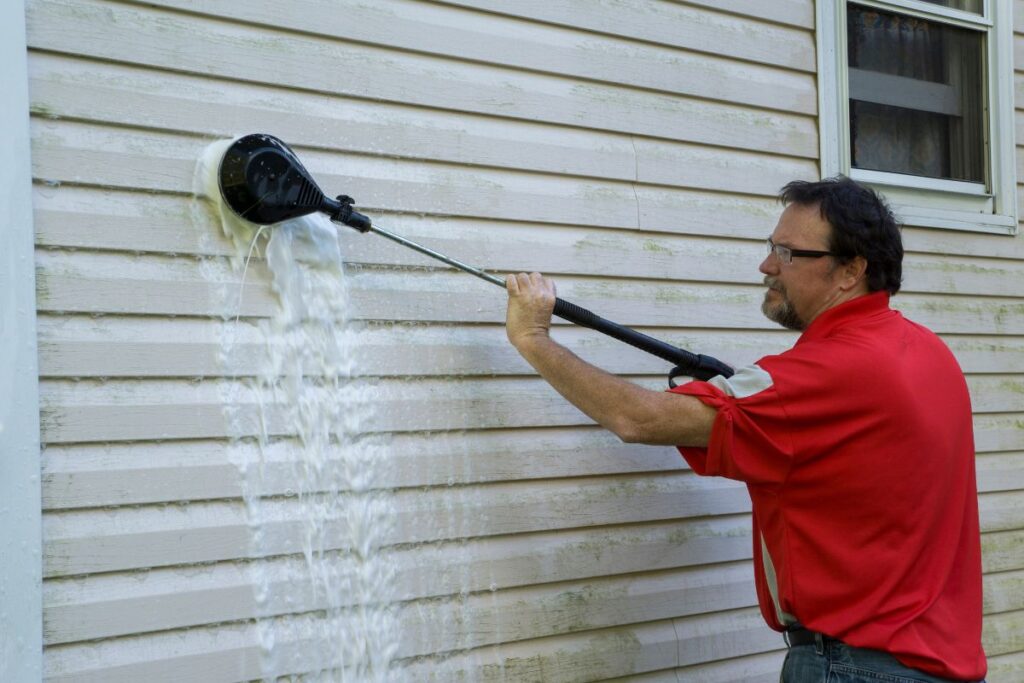
Walk around any neighborhood in Kitsap County, and you will notice it. Green streaks creeping up north-facing walls. Black spots dotting white siding. That fuzzy growth that makes a five-year-old home look like it has been abandoned for decades. If you live in the Pacific Northwest, vinyl siding cleaning is not a luxury. It is a necessity.
The combination of mild temperatures, constant moisture, and limited sunlight creates the perfect environment for algae, mold, and mildew. These organisms thrive on vinyl siding, feeding on organic debris and moisture trapped in the material. Left unchecked, they do more than just look bad. They break down protective coatings, promote rot in underlying materials, and can even affect indoor air quality.
The good news is that proper vinyl siding cleaning can restore your home to like-new condition and keep it that way for years. Whether you tackle it yourself or hire professionals, understanding what works and what causes damage makes all the difference.
Why the Pacific Northwest Is Ground Zero for Algae Growth
You cannot fight an enemy you do not understand. Algae is not just dirt that needs scrubbing. It is a living organism that colonizes your siding and spreads through spores.
The Pacific Northwest gives algae everything it needs. Temperatures rarely drop low enough to kill it off in winter or climb high enough to dry it out in summer. Rain provides constant moisture. Overcast skies mean less UV exposure, which would otherwise inhibit growth.
The most common culprit is Gloeocapsa magma, a type of cyanobacteria that appears as black or dark green streaks. It produces a protective coating that shields it from cleaning attempts, which is why scrubbing with water alone rarely works.
Homes surrounded by trees face even bigger challenges. Shade keeps siding damp longer after rain. Falling leaves and needles provide organic matter that algae feeds on. North-facing walls get the least sun, making them prime real estate for colonization.
Understanding this helps explain why exterior home cleaning in this region requires different strategies than in drier climates. For more on the unique challenges we face, check out our guide on eco-friendly exterior cleaning in Silverdale.
The Difference Between Cleaning Vinyl and Wood Siding
Not all siding materials tolerate the same cleaning methods. What works perfectly for vinyl siding cleaning might damage wood siding cleaning projects.
Vinyl is durable but not indestructible. It can crack under high pressure, especially in cold weather when the material becomes more brittle. Water forced behind panels can cause mold growth in wall cavities. Most vinyl manufacturers recommend cleaning with solutions no stronger than a mild detergent and pressure under 1,500 PSI.
Wood siding presents different challenges. Cedar, the most common choice in the Pacific Northwest, is naturally resistant to rot but still susceptible to algae and mildew. Wood absorbs moisture, which means cleaning solutions penetrate deeper and take longer to rinse away. Too much pressure can splinter the wood or strip protective stains and sealers.
Wood siding cleaning typically requires gentler solutions and lower pressure than vinyl. Oxygen-based cleaners work well because they brighten wood without harsh bleach. After cleaning, wood often needs resealing to maintain protection.
Both materials benefit from soft washing, which uses low-pressure application of cleaning solutions followed by a gentle rinse. This approach protects the siding while delivering better results than pressure washing alone. Learn more about this method in our post on soft washing services.
Step-by-Step Guide to Safe Vinyl Siding Cleaning
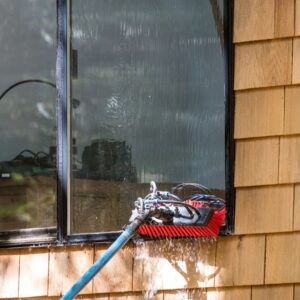
If you decide to handle vinyl siding cleaning yourself, following the right process prevents damage and delivers better results.
Step 1: Protect your landscaping. Cover plants and shrubs with plastic sheeting. Pre-wet them thoroughly. This dilutes any cleaning solution that makes contact and helps protect foliage.
Step 2: Remove loose debris. Use a soft brush or leaf blower to clear away cobwebs, dirt, and organic matter. This prevents you from grinding debris into the siding during cleaning.
Step 3: Mix your cleaning solution. For light cleaning, mix one part white vinegar to seven parts water. For heavier algae growth, use a commercial vinyl siding cleaner or mix one cup of oxygen bleach per gallon of water. Avoid chlorine bleach on vinyl as it can cause discoloration.
Step 4: Apply from bottom to top. This prevents streaking. Use a garden sprayer or soft brush to apply the solution. Let it sit for 10 to 15 minutes to break down organic growth.
Step 5: Scrub stubborn areas. Use a soft-bristle brush for spots that need extra attention. Never use abrasive pads or stiff brushes that can scratch the vinyl surface.
Step 6: Rinse from top to bottom. Use a garden hose with moderate pressure. Start at the top and work down, ensuring all cleaning solution is removed. Check for streaks and repeat if necessary.
For professional results without the hassle, our house washing services deliver thorough cleaning with zero risk of damage.
Common Mistakes That Damage Vinyl Siding
Even well-intentioned homeowners make costly errors during vinyl siding cleaning. Here are the mistakes we see most often.
Using too much pressure: Pressure washers set above 1,500 PSI can crack vinyl, especially around windows and corners. High pressure also forces water behind panels, creating moisture problems inside walls.
Spraying upward: Always spray downward or straight on. Angling the spray upward forces water underneath siding panels where it can cause rot and mold.
Using chlorine bleach: While effective at killing mold, chlorine bleach can discolor vinyl and damage plants. Oxygen bleach or commercial vinyl cleaners work better and safer.
Cleaning in direct sunlight: Heat causes cleaning solutions to dry before they can work, leaving streaks and residue. Clean on overcast days or when the siding is in shade.
Skipping the rinse: Leaving cleaning solution on the siding attracts dirt and can cause discoloration over time. Thorough rinsing is essential.
Ignoring safety: Working on ladders while handling cleaning equipment is dangerous. Professional teams have the right gear and training to work safely at height.
If you have made any of these mistakes, our guide on removing tough stains from your home’s exterior offers solutions for fixing damage and preventing future problems.
Tired of fighting algae every season? Get a free quote from Cornerstone Cleaning and let our experts handle your vinyl siding cleaning safely and effectively.
Why Green Staining Comes Back So Quickly
You spend a weekend scrubbing your siding until it looks perfect. Three months later, the green streaks are back. What happened?
The problem is that surface cleaning does not kill the organisms causing the stains. When you pressure wash or scrub with plain water, you remove visible algae but leave behind spores and root structures. These microscopic remnants recolonize quickly, especially in our damp climate.
Algae also releases chemicals that help it stick to surfaces and resist removal. This biofilm protects new growth and makes it harder to clean the next time around. Every cleaning cycle that fails to kill the organism actually makes future cleaning more difficult.
This is why professional exterior home cleaning services use algaecides and mildewcides in their cleaning solutions. These chemicals kill the organism at the root level and leave behind a protective residue that inhibits regrowth.
Homes that receive professional soft washing typically stay clean 18 months to 3 years, compared to 3 to 6 months for DIY pressure washing. The difference is not just in the equipment. It is in understanding what you are fighting and using the right chemical treatment to win.
For insights on preventing regrowth, read our article about pressure washing services near you.
Seasonal Timing for Vinyl Siding Cleaning in Washington
When you clean matters almost as much as how you clean. The Pacific Northwest’s weather patterns create distinct windows of opportunity for effective vinyl siding cleaning.
Spring (April to June): This is prime cleaning season. Temperatures are mild, rain becomes less frequent, and you have time for cleaning solutions to dry before summer heat sets in. Spring cleaning also removes winter buildup before algae enters its peak growth period.
Summer (July to August): Dry weather makes cleaning easier, but avoid the hottest days. High temperatures cause cleaning solutions to evaporate too quickly, leaving streaks and reducing effectiveness. Early morning or evening cleaning works best.
Fall (September to October): Another excellent window. Cleaning before the rainy season starts prevents algae from spreading during wet winter months. It also ensures your home looks its best for the holidays.
Winter (November to March): Generally not recommended. Cold temperatures make vinyl brittle and more prone to cracking. Cleaning solutions work less effectively in cold weather. Rain makes scheduling unpredictable.
Most professionals recommend cleaning once a year in spring or early fall. Heavily shaded homes or those surrounded by trees might benefit from twice-yearly cleaning.
For tips on tackling related seasonal tasks, our post on gutter cleaning services covers maintenance that pairs well with siding cleaning.
How Professional Exterior Home Cleaning Services Work

Professional exterior home cleaning involves more than just spraying chemicals and rinsing. Understanding the process helps you know what to expect and why it costs more than DIY.
The process starts with an inspection. Technicians assess your siding type, identify problem areas, and check for existing damage. This prevents cleaning from making existing issues worse.
Next comes preparation. Landscaping gets covered or pre-wet for protection. Windows and doors are checked to ensure they are properly sealed. Outdoor furniture and decorations are moved away from the house.
The cleaning solution is applied using specialized equipment that maintains consistent low pressure. Application typically starts at the bottom and works up to prevent streaking. The solution sits for 10 to 15 minutes while it breaks down organic growth.
Stubborn areas get extra attention with soft brushes or additional solution. The entire surface then gets rinsed from top to bottom, ensuring complete removal of cleaning agents and loosened debris.
Finally, technicians do a walkthrough to check for missed spots and ensure you are satisfied with the results. Any debris that fell during cleaning gets collected and removed.
At Cornerstone Cleaning, we bundle window cleaning with siding services for maximum curb appeal improvement at a reduced cost.
Preventing Algae Growth Between Cleanings
Even with professional vinyl siding cleaning, you can take steps to slow algae regrowth and extend the time between cleanings.
Trim overhanging branches: More sunlight means less moisture and slower algae growth. Cut back trees and shrubs that shade your siding, especially on north-facing walls.
Keep gutters clean: Overflowing gutters splash organic debris onto siding, feeding algae growth. Regular gutter cleaning prevents this problem.
Redirect sprinklers: Irrigation systems that spray siding create constant moisture. Adjust sprinkler heads to keep water off your walls.
Address drainage issues: Poor drainage near your foundation keeps lower siding constantly damp. Extend downspouts and grade soil away from the house.
Apply preventive treatments: Some professional services offer algae-resistant coatings that inhibit growth for extended periods. These work especially well on chronic problem areas.
Spot clean early: When you notice small patches of algae starting, clean them immediately before they spread. A spray bottle with vinegar solution and a soft brush can handle small spots.
Combining siding maintenance with roof cleaning creates a comprehensive approach to preventing organic growth on all exterior surfaces.
The Real Cost of Neglecting Siding Maintenance
Putting off vinyl siding cleaning might seem like a way to save money. In reality, neglect costs far more than maintenance.
Algae and mildew do not just sit on the surface. They release acids that break down protective coatings on vinyl and paint. Over time, this leads to discoloration, fading, and surface degradation that cannot be reversed with cleaning.
Moisture trapped behind dirty siding creates conditions for wood rot in sheathing and framing. By the time you notice soft spots or structural damage, repairs can run into thousands of dollars.
Mold growth on exterior surfaces often indicates mold growth inside walls. This affects indoor air quality and can trigger respiratory problems, especially in children and people with allergies.
Property value takes a hit too. Homes with stained, dirty siding photograph poorly and make negative first impressions. Appraisers and buyers see neglected exteriors as red flags indicating deferred maintenance throughout the property.
Regular exterior home cleaning protects your investment and prevents expensive repairs. The cost of annual professional cleaning is a fraction of what you will spend fixing damage from years of neglect.
For homeowners preparing to sell, our guide on trusted exterior cleaning companies explains how professional cleaning maximizes curb appeal and sale price.
DIY vs Professional: Making the Right Choice
Should you handle vinyl siding cleaning yourself or hire professionals? The answer depends on several factors.
Consider DIY if: You have a single-story home with minimal algae growth. You own or can borrow the right equipment. You have time and physical ability to work safely on ladders. The job is small enough to complete in a day.
Hire professionals if: Your home has two or more stories. You see heavy algae coverage or staining that has been there for years. You lack proper equipment or safety gear. You have a busy schedule or physical limitations. You want results that last years, not months.
Professional services also make sense when combining multiple tasks. Cleaning siding, gutters, windows, and roofs at once is more efficient and often more economical than tackling each project separately.
The expertise matters too. Professionals know which cleaning solutions work best for different materials, how to avoid damage, and how to deliver results that actually last. They carry insurance that protects you from liability if accidents occur.
At Cornerstone Cleaning, we have served Kitsap County homeowners since 2017. Our team understands local conditions, uses proven methods, and delivers consistently excellent results. Learn more about our approach on our about us page.
Stop fighting algae season after season. Contact Cornerstone Cleaning at 360-633-3789 for professional vinyl siding cleaning that lasts.
Taking Control of Your Home’s Exterior
Living in the Pacific Northwest means accepting that algae growth comes with the territory. But you do not have to accept green-streaked siding as inevitable. Proper vinyl siding cleaning removes existing stains and prevents regrowth for years.
Whether you choose DIY methods or professional exterior home cleaning services, the key is using the right approach. Soft washing with appropriate cleaning solutions kills organisms at the root level. Low pressure protects your siding from damage. Proper timing and technique deliver results that actually last.
The same principles apply whether you are tackling vinyl siding cleaning or wood siding cleaning. Match the method to the material, kill the organism rather than just removing visible growth, and protect surfaces from unnecessary force.
At Cornerstone Cleaning, we specialize in house washing and pressure washing services throughout Silverdale, Bremerton, Port Orchard, Gig Harbor, and Kitsap County. Our soft washing approach delivers safe, thorough cleaning that protects your investment and keeps your home looking its best year after year.
Ready to restore your home’s curb appeal? Request your free estimate today and discover why Kitsap County homeowners trust Cornerstone Cleaning for all their exterior cleaning needs.